
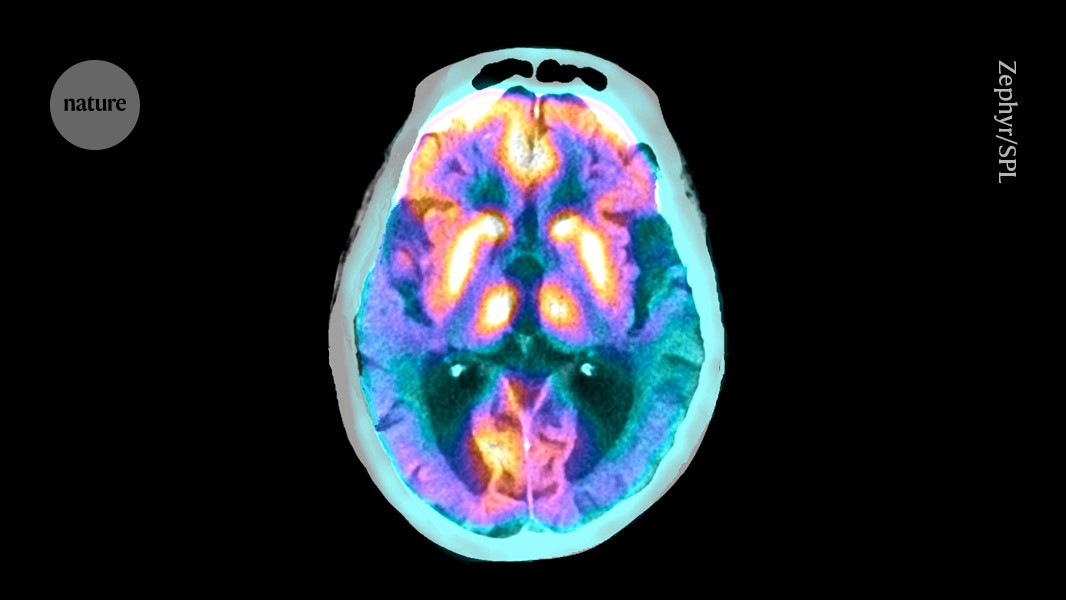
Introduction to Tanycytes and Their Role in Alzheimer's Disease
Alzheimer's disease is a devastating neurodegenerative disorder that affects millions of people worldwide, causing progressive memory loss, cognitive decline, and eventually, dementia. Despite extensive research, the exact mechanisms behind the disease remain poorly understood. Recently, scientists have made a significant discovery that sheds light on the role of specialized brain cells called tanycytes in clearing proteins that contribute to Alzheimer's disease. Tanycytes: The Brain's Waste Management System Tanycytes are a type of glial cell that play a crucial role in maintaining the health of the brain. These cells are responsible for regulating the flow of cerebrospinal fluid (CSF) and removing waste products, including proteins that can contribute to neurodegenerative diseases. Researchers have found that tanycytes are particularly effective at clearing tau proteins, which are a hallmark of Alzheimer's disease.The Impact of Tanycyte Dysfunction on Alzheimer's Disease
When tanycytes stop working properly, tau proteins begin to build up in the brain, leading to the formation of neurofibrillary tangles, a characteristic feature of Alzheimer's disease. This protein accumulation can cause neuronal damage, inflammation, and eventually, cell death. The study suggests that the dysfunction of tanycytes is a critical factor in the progression of Alzheimer's disease.- Tanycytes are responsible for clearing tau proteins from the brain through a process called autophagy.
- When tanycytes are dysfunctional, tau proteins accumulate, leading to neurofibrillary tangle formation.
- The buildup of tau proteins can cause neuronal damage, inflammation, and cell death.
- Researchers believe that targeting tanycytes may provide a new therapeutic strategy for treating Alzheimer's disease.
Implications for Treatment and Future Research
The discovery of the role of tanycytes in clearing tau proteins has significant implications for the treatment and prevention of Alzheimer's disease. By targeting tanycytes and enhancing their function, researchers may be able to develop new therapies that can slow or even reverse the progression of the disease. Additionally, the study highlights the importance of continued research into the underlying mechanisms of Alzheimer's disease, including the role of glial cells like tanycytes. Conclusion The recent breakthrough in understanding the role of tanycytes in Alzheimer's disease is a promising step towards developing effective treatments for this devastating disease. As researchers continue to unravel the complexities of the brain and its various cell types, we may uncover new targets for therapy and eventually, a cure for Alzheimer's disease. The study's findings emphasize the critical importance of continued investment in neuroscience research and the potential for innovative therapies to improve the lives of millions of people affected by neurodegenerative disorders.Stay tuned to Newsvibe724 for more updates.



0 Comments