
Iran's Supreme Leader Breaks Silence Amid Rising Tensions
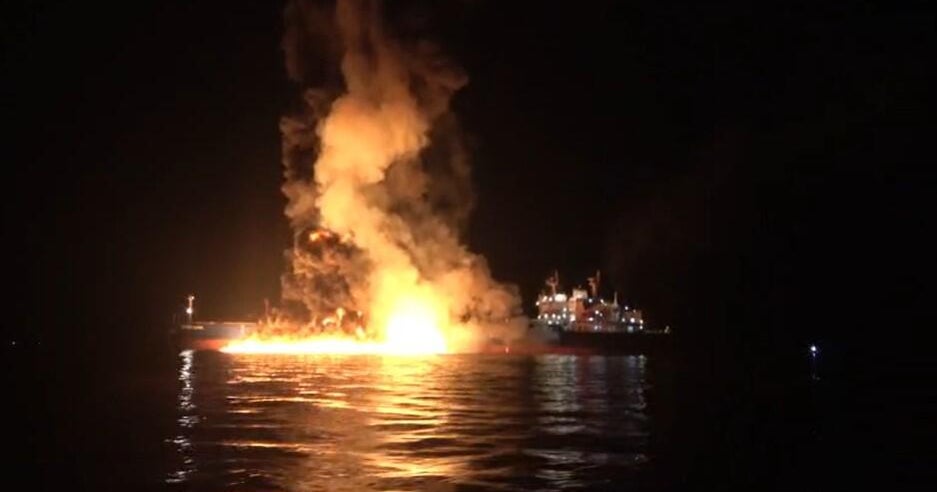
Iran's supreme leader has made his first statement as the country's relentless attacks on Gulf states and infrastructure continue to overshadow interventions by the US and its allies aimed at easing energy prices. The statement comes at a time when oil prices are surging, and markets are experiencing a downturn. Background of the Crisis The recent escalation of tensions in the region has been marked by a series of attacks on oil tankers, pipelines, and other infrastructure. These attacks have been attributed to Iran, which has been at odds with the US and its allies over its nuclear program and regional influence. Despite efforts by the US and its allies to intervene and ease energy prices, the situation remains volatile.Impact on Oil Prices and Markets
The ongoing attacks have led to a significant increase in oil prices, with Brent crude rising by over 10% in recent days. This surge in oil prices has had a ripple effect on markets, with stock prices falling and investor confidence dwindling. The situation is being closely watched by market analysts, who are warning of a potential global economic downturn if the tensions are not eased.- Rising Oil Prices: The price of Brent crude has risen by over 10% in recent days, reaching a high of over $70 per barrel.
- Falling Stock Prices: The surge in oil prices has led to a decline in stock prices, with major indexes experiencing significant losses.
- Declining Investor Confidence: The ongoing tensions have led to a decline in investor confidence, with many investors choosing to adopt a wait-and-see approach.
US and Ally Intervention
The US and its allies have been working to intervene in the crisis, with a focus on easing energy prices and reducing tensions in the region. This has included diplomatic efforts to engage with Iran and other regional players, as well as military deployments to protect key infrastructure and shipping lanes. Challenges Ahead Despite these efforts, the situation remains challenging, with many obstacles to overcome before a resolution can be reached. These include:- Iran's Reluctance to Negotiate: Iran has been reluctant to engage in negotiations, preferring instead to focus on its own regional agenda.
- Regional Rivalries: The region is marked by deep-seated rivalries and tensions, making it difficult to achieve a lasting resolution.
- Global Economic Implications: The crisis has significant implications for the global economy, with the potential to disrupt trade and commerce on a large scale.
Conclusion
The situation in the Gulf region remains volatile, with Iran's supreme leader's statement marking a significant development in the crisis. As oil prices continue to rise and markets experience a downturn, the US and its allies face significant challenges in their efforts to intervene and ease tensions. With many obstacles to overcome, it remains to be seen whether a lasting resolution can be achieved, and what the implications will be for the global economy.Stay tuned to Newsvibe724 for more updates.



0 Comments