
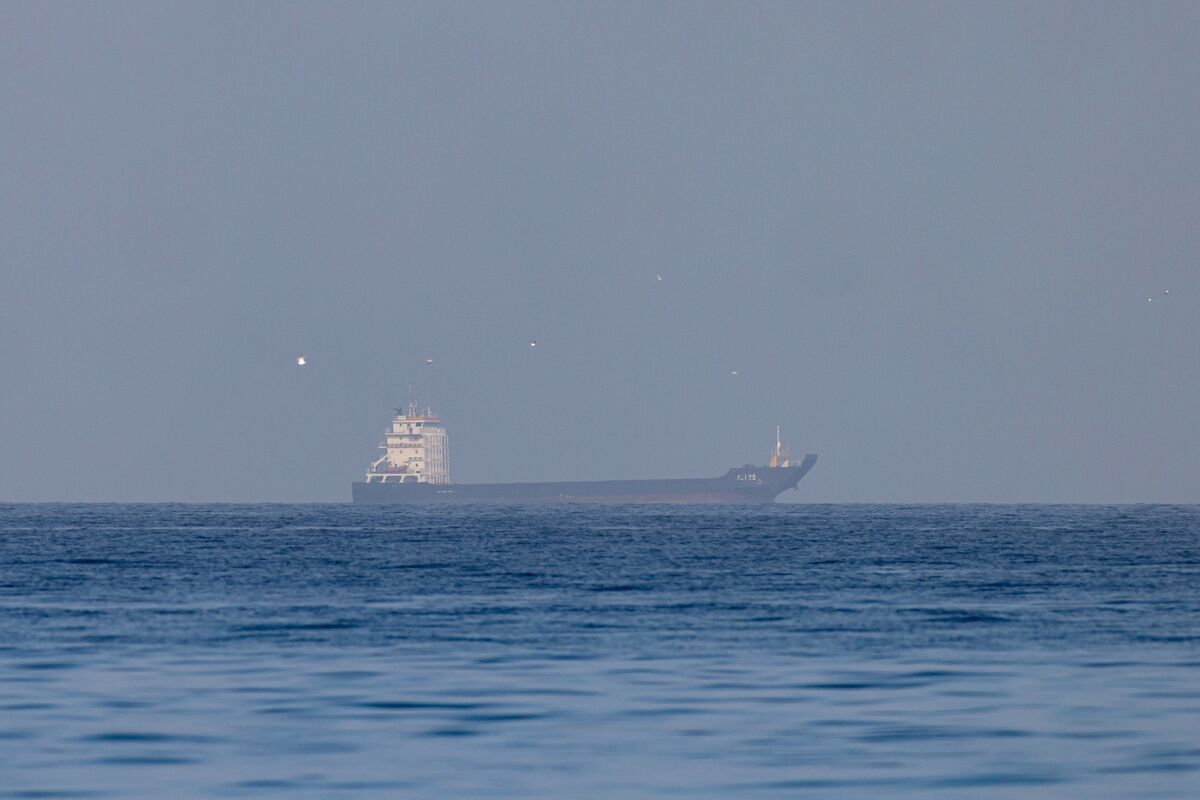
Iran's Move to Charge Transit Fees: A Sign of Control Over the Strait of Hormuz
Iran has started charging transit fees on some commercial vessels passing through the Strait of Hormuz, a vital maritime energy channel that connects the Persian Gulf to the Arabian Sea. This move is seen as another sign of Tehran's control over the region, which is crucial for the global energy trade. Background The Strait of Hormuz is a narrow waterway that connects the Persian Gulf to the Arabian Sea, making it a critical passage for international oil exports. Approximately 20% of the world's oil passes through this strait, making it a vital energy channel. Iran has long been seeking to assert its control over the region, and the imposition of transit fees is seen as a significant step in this direction.Implications of the Transit Fees
The imposition of transit fees on commercial vessels passing through the Strait of Hormuz is likely to have significant implications for the global energy trade. The fees are expected to increase the cost of shipping oil and other energy products, which could lead to higher prices for consumers. Additionally, the move could also lead to increased tensions between Iran and other countries that rely on the strait for their energy exports.- The transit fees are likely to affect the global energy trade, particularly countries that rely heavily on oil imports from the Persian Gulf.
- The fees could lead to increased costs for shipping companies, which may be passed on to consumers in the form of higher prices.
- The move could also lead to increased tensions between Iran and other countries, particularly the United States, which has been critical of Iran's actions in the region.
- The imposition of transit fees could also lead to increased investment in alternative energy sources, as countries seek to reduce their reliance on oil and other fossil fuels.
Global Reaction to Iran's Move
The international community has been swift to react to Iran's move to impose transit fees on commercial vessels passing through the Strait of Hormuz. The United States has been critical of the move, with officials stating that it is an attempt by Iran to exert control over the region. Other countries, including Saudi Arabia and the United Arab Emirates, have also expressed concerns about the move, citing the potential impact on global energy prices. Conclusion Iran's decision to impose transit fees on commercial vessels passing through the Strait of Hormuz is a significant development that is likely to have far-reaching implications for the global energy trade. As the world's most important maritime energy channel, the strait is critical for the global economy, and any disruption to shipping in the region could have significant consequences. The imposition of transit fees is seen as a sign of Tehran's control over the region, and it remains to be seen how the international community will respond to this move.Stay tuned to Newsvibe724 for more updates.



0 Comments