
The Burden of High Health Costs on Americans
The high cost of healthcare in the United States is a significant burden on many Americans, leading to difficult financial decisions that can have long-lasting consequences. A recent report has shed light on the sacrifices people are making due to the escalating costs of medical care, revealing a stark reality that affects not just individuals but also the broader society. Financial Strains and Borrowing One of the most immediate effects of high health costs is the financial strain it puts on individuals and families. Many are forced to borrow money to cover medical expenses, which can lead to debt and further financial instability. This is particularly concerning as it not only affects the present financial situation of these individuals but can also have long-term implications on their credit scores and ability to secure loans in the future.Delaying Major Life Events
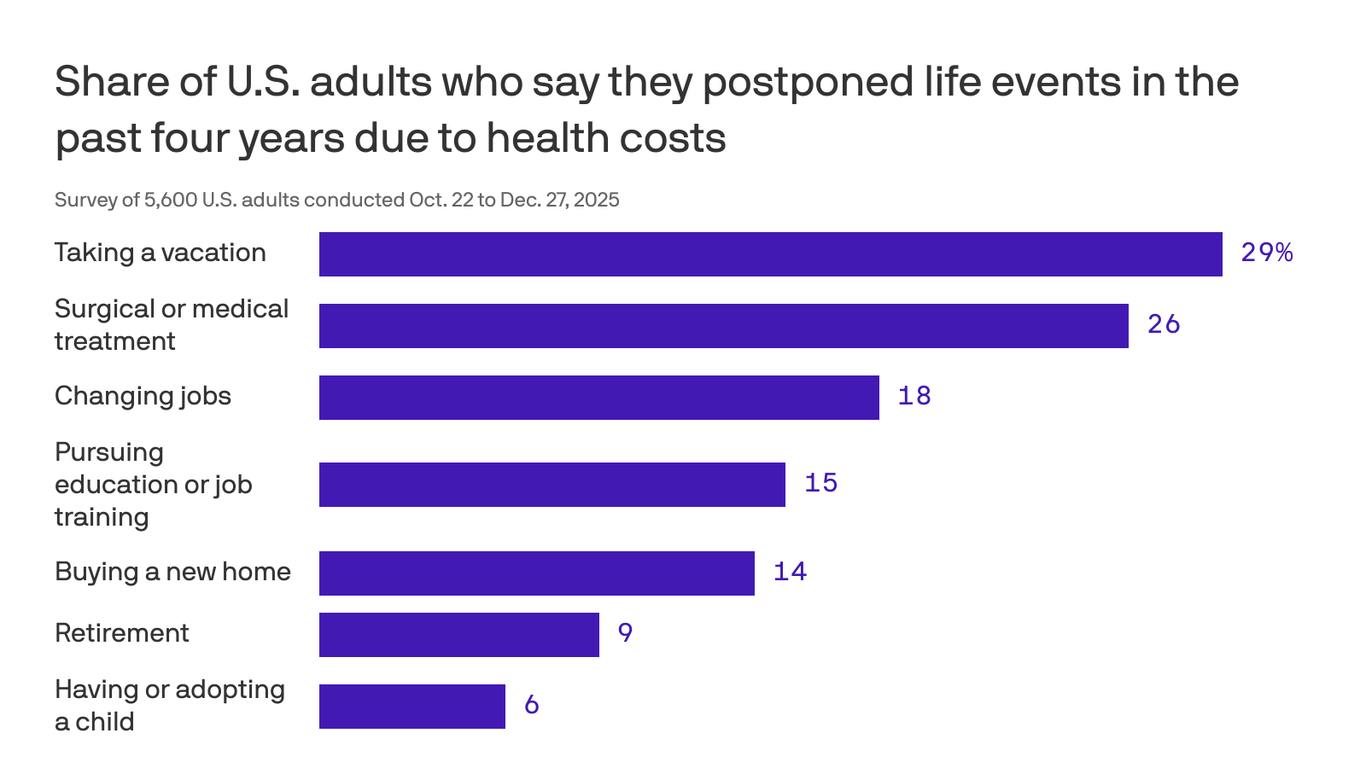
The financial pressures of healthcare costs are so significant that they are causing people to delay major life events. This could include decisions such as getting married, having children, or purchasing a home. The uncertainty and expense associated with healthcare can make planning for these life milestones daunting, leading to procrastination or even abandonment of these plans altogether. This not only affects personal happiness and fulfillment but also has broader societal implications, such as lower birth rates and delayed family formation, which can impact economic growth and social security systems in the long run. Stretching Out Prescriptions Another concerning trend is the practice of stretching out prescriptions due to their high cost. This involves taking less of a medication than prescribed to make it last longer, which can lead to inadequate treatment of medical conditions. This behavior is risky as it can result in reduced efficacy of the medication, leading to poorer health outcomes, potential drug resistance, and even increased healthcare costs in the long term due to the need for more intensive treatments.- Reduced Quality of Life: High health costs can lead to a reduced quality of life as people may forgo necessary treatments or medications, leading to ongoing health issues and discomfort.
- Social Consequences: Delaying major life events can have social consequences, including changes in family structures, community dynamics, and support systems, which are crucial for societal well-being.
Towards a Solution
Addressing the issue of high health costs requires a multifaceted approach that involves policymakers, healthcare providers, insurers, and individuals. Implementing policies that reduce healthcare costs, increasing access to affordable health insurance, and promoting preventive care can help alleviate some of the financial burdens. Additionally, advocating for transparency in medical billing and supporting programs that assist individuals with high medical expenses can provide relief to those struggling with healthcare costs. The sacrifices Americans make due to high health costs are a stark reminder of the need for healthcare reform and support systems that protect individuals from financial ruin due to medical expenses. It is crucial for society as a whole to recognize these challenges and work towards solutions that ensure healthcare is accessible and affordable for everyone, thereby improving overall well-being and quality of life.Stay tuned to Newsvibe724 for more updates.



0 Comments