
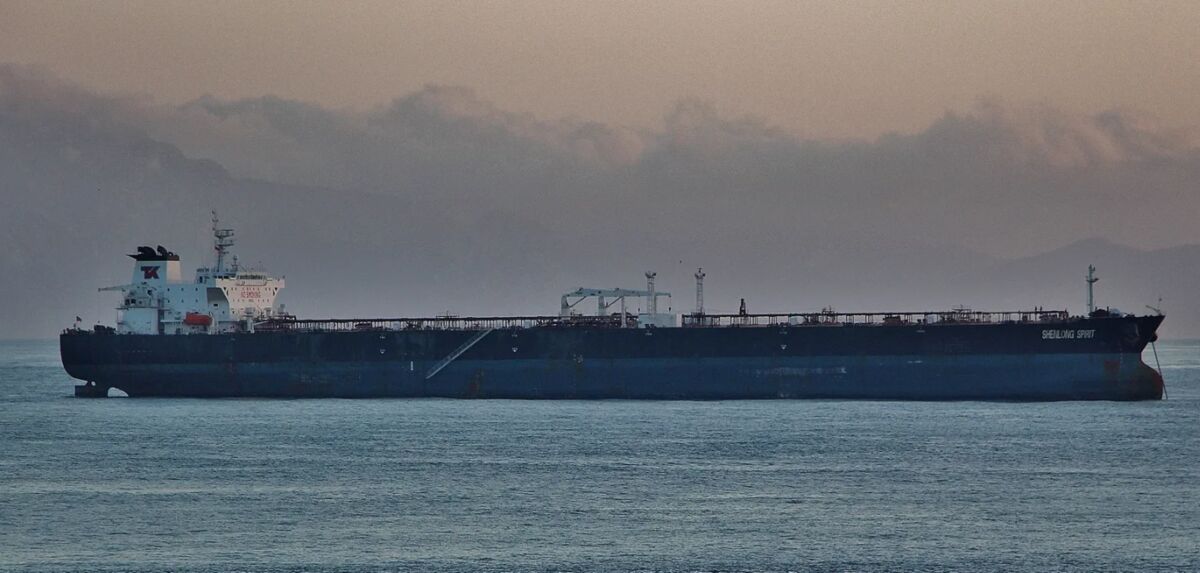
Greek Oil Tanker Successfully Navigates Strait of Hormuz
A Greek oil tanker has made headlines by becoming one of the first large vessels to exit the Strait of Hormuz in recent days, carrying a significant cargo of one million barrels of Saudi crude. This development comes at a time when maritime traffic through the critical waterway has been severely impacted due to escalating tensions in the region. The tanker's journey is being closely watched by the global energy community, as the Strait of Hormuz is a vital chokepoint for international oil trade. Approximately 20% of the world's oil supply passes through this narrow strait, making it a critical component of the global energy infrastructure. According to reports, the Greek tanker sailed through the strait with its signal off, a tactic often employed by ships to maintain a low profile and minimize the risk of being targeted. This approach is not uncommon in high-risk areas, where vessels may seek to avoid detection by hostile forces.Background on the Strait of Hormuz
The Strait of Hormuz is a 30-mile wide waterway that connects the Persian Gulf to the Gulf of Oman and the Arabian Sea. It is a critical passage for oil tankers and other vessels, with hundreds of ships traversing the strait every month. The strait's proximity to several major oil-producing countries, including Saudi Arabia, Iran, and the United Arab Emirates, makes it a strategically important location for the global energy market. However, the region's complex geopolitics and history of conflicts have also made it a hotspot for tensions and instability.Impact on Global Energy Markets
The Greek tanker's successful passage through the Strait of Hormuz is being seen as a positive development for the global energy market. The resumption of oil shipments through the strait is expected to help alleviate concerns about supply disruptions and price volatility. However, the ongoing tensions in the region continue to pose a significant risk to global energy security. The US-Iran conflict, in particular, has raised concerns about the potential for retaliatory attacks on oil tankers and other vessels. To mitigate these risks, international efforts are underway to promote maritime security and cooperation in the region. These efforts include the deployment of coalition naval forces to protect commercial shipping lanes and the establishment of information-sharing initiatives to enhance situational awareness and response times.Key Takeaways
The Greek oil tanker's journey through the Strait of Hormuz highlights the following key points:- The Strait of Hormuz remains a critical component of the global energy infrastructure, with significant implications for international oil trade.
- The region's complex geopolitics and history of conflicts continue to pose a risk to maritime security and global energy markets.
- International efforts to promote maritime security and cooperation are essential for mitigating these risks and ensuring the free flow of oil and other goods.
- The successful passage of the Greek tanker is a positive development for the global energy market, but ongoing tensions in the region require continued monitoring and vigilance.
Stay tuned to Newsvibe724 for more updates.



0 Comments