
Introduction to Epigenetic Memory and Its Role in Disease
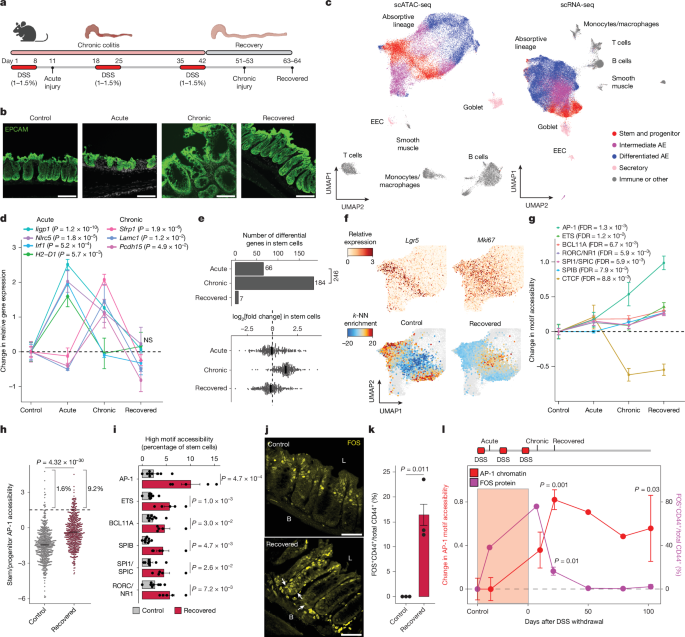
The concept of epigenetic memory refers to the ability of cells to retain information about past experiences, such as environmental exposures or disease states, which can influence their behavior and response to future challenges. A recent study published in Nature has shed light on how colonic stem cells retain an epigenetic memory of colitis, a type of inflammatory bowel disease (IBD), and how this memory can promote tumor growth.The study found that even after the resolution of colitis, colonic stem cells retain a "memory" of the inflammation, which can lead to changes in their behavior and increase the risk of tumor development. This discovery has significant implications for our understanding of the link between chronic inflammation and cancer, and may lead to the development of new strategies for mitigating cancer risk in patients with chronic inflammatory conditions.
The Mechanistic Link Between Chronic Inflammation and Malignancy
Chronic inflammation has long been recognized as a major risk factor for the development of cancer. The exact mechanisms by which chronic inflammation promotes tumor growth are complex and multifaceted, but research has identified several key pathways involved. These include:- Increased cell proliferation: Chronic inflammation can lead to increased cell proliferation, which can result in the accumulation of genetic mutations and the development of cancer.
- Immunosuppression: Chronic inflammation can also lead to immunosuppression, which can reduce the body's ability to detect and eliminate cancer cells.
- Epigenetic modifications: Chronic inflammation can result in epigenetic modifications, such as DNA methylation and histone modification, which can alter gene expression and promote tumor growth.
- Microenvironmental changes: Chronic inflammation can also lead to changes in the tumor microenvironment, including the recruitment of immune cells and the production of pro-tumorigenic factors.
Colonic Stem Cells and Epigenetic Memory
The study published in Nature focused on the role of colonic stem cells in the development of epigenetic memory. The researchers found that colonic stem cells retain a memory of colitis, which is characterized by changes in gene expression and epigenetic modifications. This memory can lead to changes in the behavior of colonic stem cells, including increased proliferation and a reduced ability to differentiate.The study also identified a mechanistic link between the epigenetic memory of colitis and the development of tumors. The researchers found that the epigenetic memory of colitis leads to the activation of key signaling pathways involved in tumor growth, including the Wnt/β-catenin pathway.
Implications for Cancer Risk Mitigation
The discovery of the epigenetic memory of colitis and its role in promoting tumor growth has significant implications for our understanding of the link between chronic inflammation and cancer. The study suggests that targeting the epigenetic memory of colitis may be a potential strategy for mitigating cancer risk in patients with chronic inflammatory conditions.Several potential approaches for targeting the epigenetic memory of colitis have been identified, including:
- Epigenetic therapies: Epigenetic therapies, such as DNA methyltransferase inhibitors and histone deacetylase inhibitors, may be used to reverse the epigenetic modifications associated with the epigenetic memory of colitis.
- Anti-inflammatory therapies: Anti-inflammatory therapies, such as non-steroidal anti-inflammatory drugs (NSAIDs) and biologics, may be used to reduce chronic inflammation and mitigate the development of epigenetic memory.
- Stem cell therapies: Stem cell therapies, such as stem cell transplantation, may be used to replace damaged or dysfunctional colonic stem cells and reduce the risk of tumor development.
Conclusion
The discovery of the epigenetic memory of colitis and its role in promoting tumor growth has significant implications for our understanding of the link between chronic inflammation and cancer. The study suggests that targeting the epigenetic memory of colitis may be a potential strategy for mitigating cancer risk in patients with chronic inflammatory conditions. Further research is needed to fully understand the mechanisms involved and to develop effective therapeutic strategies for targeting the epigenetic memory of colitis.Stay tuned to Newsvibe724 for more updates.



0 Comments