
The Evolving Landscape of Modern Warfare
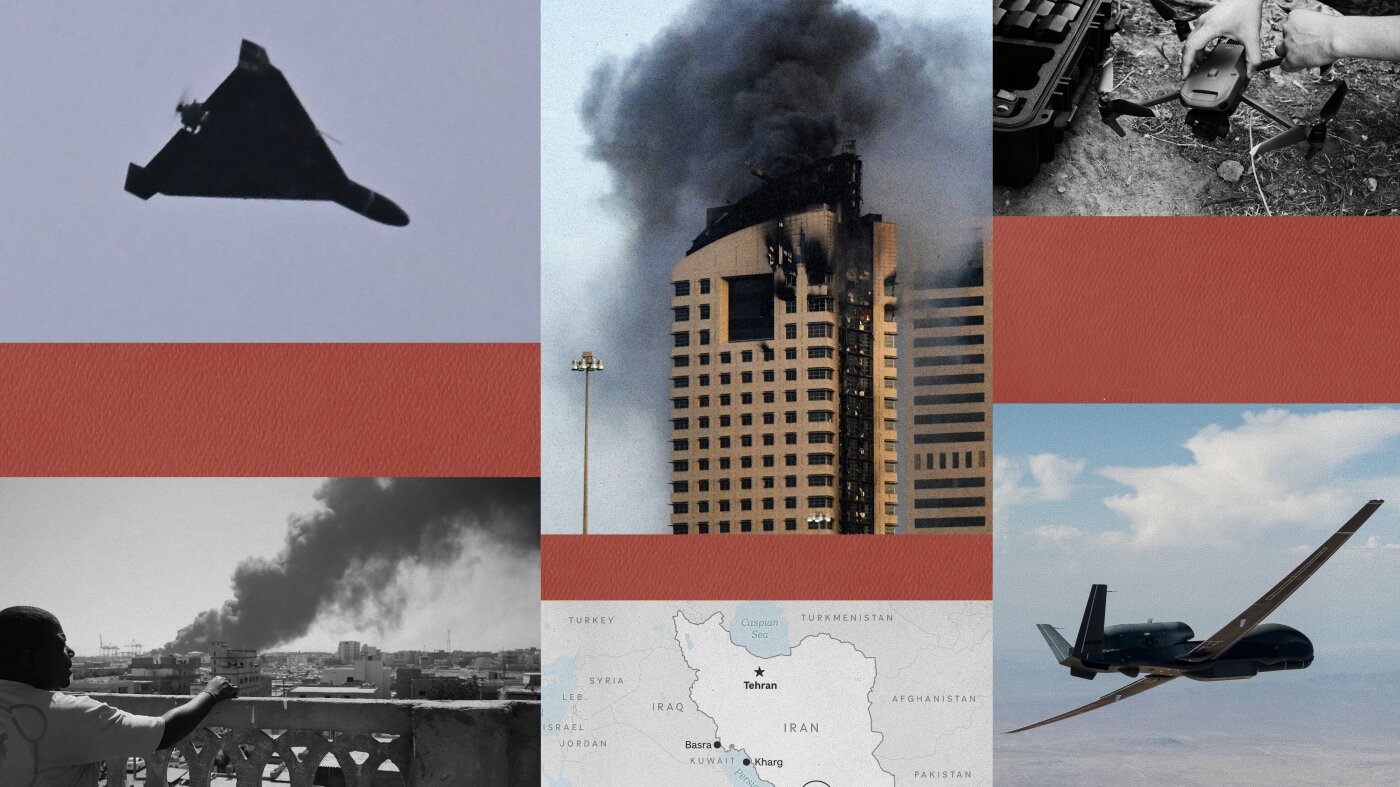
The ongoing Operation Epic Fury has spotlighted a significant shift in the dynamics of modern warfare, with the pervasive use of cheap drones by adversaries like Iran. These drones, often costing a fraction of the multi-million-dollar interceptors employed by the US, are persistently testing the defensive capabilities of the American military. The quandary this poses is not merely about the financial disparity between these weapons but also about the sustainability and strategic implications of relying on such expensive countermeasures against low-cost threats. The Drone Threat The drones in question are not the high-tech, stealthy unmanned aerial vehicles (UAVs) that might come to mind. Instead, they are relatively simple, commercially available drones that have been adapted for military use. Their appeal lies in their affordability, ease of deployment, and the significant challenge they pose to conventional air defense systems. The attacks by these drones have underscored the vulnerabilities of even the most advanced military forces to asymmetric warfare tactics.Operational Challenges
The operational challenge posed by these drones is multifaceted. Firstly, their small size and ability to fly at low altitudes make them difficult to detect using traditional radar systems. Secondly, their speed and agility allow them to potentially evade slower-reacting defense systems. Lastly, the sheer number of drones that can be deployed simultaneously can overwhelm even the most sophisticated air defense networks, a tactic known as "swarm attacks."- Detection and Tracking: The primary challenge in countering these drones is their detection and tracking. Given their small size and the materials used in their construction, they often do not provide a significant radar signature, making them hard to detect until they are very close to their target.
- Cost-Effectiveness: The cost of intercepting these drones with multi-million-dollar missiles raises questions about the long-term sustainability of such a strategy. The financial burden of continually using expensive interceptors could become prohibitive, especially if the drone attacks persist or escalate.
- Strategic Implications: Beyond the immediate operational challenges, the use of cheap drones in warfare has broader strategic implications. It highlights the democratization of military technology, where relatively low-cost solutions can significantly impact the battlefield, potentially leveling the playing field between nations with vastly different military budgets.
Adapting to the New Reality
In response to these challenges, military strategists and defense industries are exploring new technologies and tactics aimed at more effectively and cost-efficiently countering the drone threat. This includes the development of laser defense systems, advanced radar technologies capable of detecting smaller targets at greater distances, and even the use of drone-versus-drone combat tactics. Conclusion The era of cheap drones in modern warfare is not only a testament to the rapid evolution of military technology but also a stark reminder of the asymmetric challenges that conventional military forces face. As Operation Epic Fury and similar conflicts around the globe demonstrate, the future of warfare will increasingly involve dealing with threats that are as much about strategy and economics as they are about technology and firepower. The US and other nations must adapt their military strategies and defense systems to address these emerging threats effectively, balancing the need for effective defense with the financial and logistical realities of modern warfare.Stay tuned to Newsvibe724 for more updates.



0 Comments